

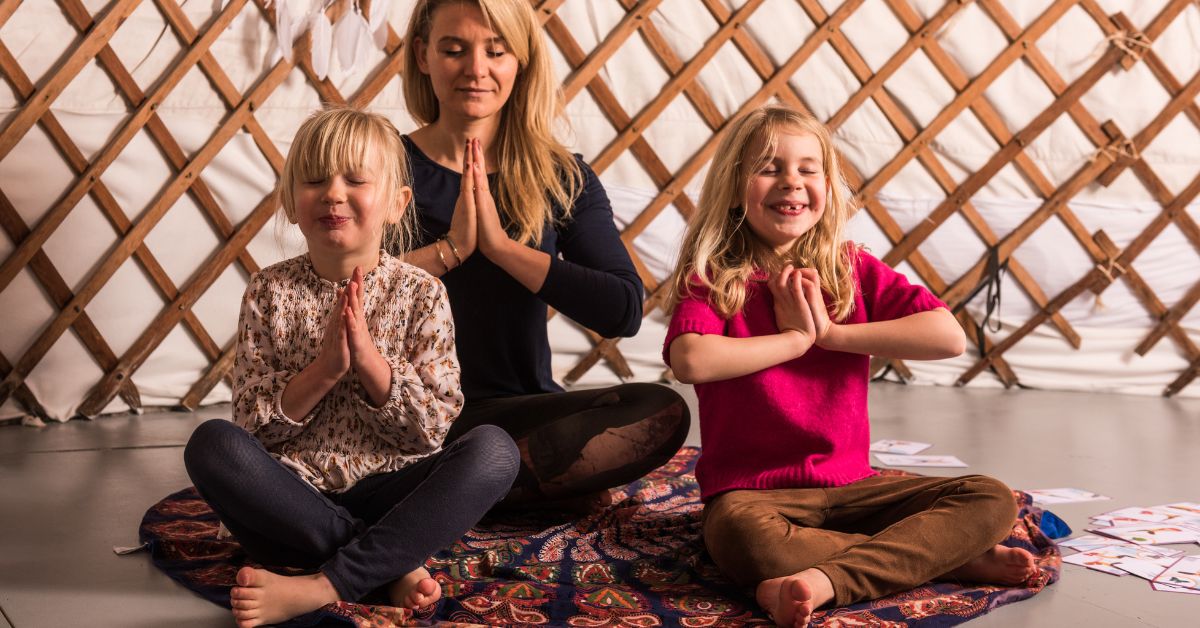
Mindfulness, yes indeed, also for children. Are you following along?
Chances are you can no longer detail everything you did between the moment you got out of bed and the moment you started work.
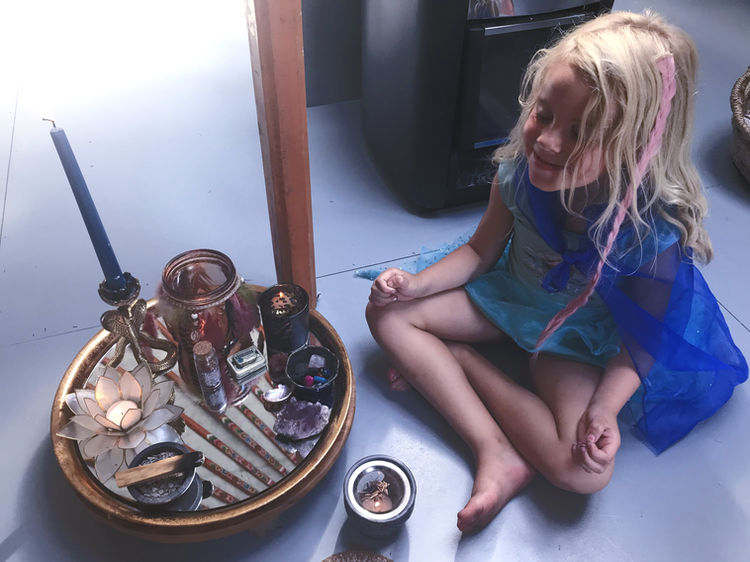
Most likely, autopilot switched on immediately when you opened your eyes, and this morning you did everything you do every morning without much thought or consideration for what you were doing.
It's the same with children. They often rush ahead of themselves, go with the flow of everyday life, and (eventually) do what they have to do without being aware of what they're doing. Going to school, music lessons, sports, brushing teeth, putting on shoes, eating, going to bed, etc.
Routine and structure are, of course, very important. It provides predictability, calm, and a sense of security for your child and your family. But taking the time to pause in the moment and consciously focus all your attention on one thing is at least as important.

Mindfulness is precisely that: being fully present in the moment, focusing entirely on one thing, slowing down to be completely absorbed in what you are doing. It is the opposite of multitasking and the counterweight to autopilot.
Babies and toddlers often naturally slow down and can become fully absorbed in the moment. Just think of the wonder of a baby discovering its feet or the face of a toddler tasting chocolate for the first time.
By regularly practicing mindfulness with your children, you help them make it a habit.
A habit that brings many benefits, both for you and for your child(ren):
- Your concentration increases, and you will be less easily distracted
- You will become better at handling stressful situations
- You learn to listen and communicate better
- It contributes to emotion regulation, meaning a better understanding of your emotions and also 'appropriately' dealing with them
- You will experience more and increasingly easier calm
- You will gain more patience
- It contributes to your happiness and your sense of contentment in life
How do you apply mindfulness? The three basic steps of mindfulness as I apply it:
- Stop: stop what you are doing. Sit down, lie down, stand still, close your eyes for a moment.
- Breathe: feel how you inhale and exhale. Feel the air coming in through your nostrils and going out through your mouth. Place one hand on your belly and the other on your chest and feel your body expand as you inhale and feel everything sink back down as you exhale. Discover our breathing coloring pages and easily get started yourself 🔥
- Focus: choose one thing to observe. This can be your breath, an object, an emotion, a sound, something tactile, anything. Whenever your thoughts wander, stop again and return to observing; direct all your focus and attention to that one thing.
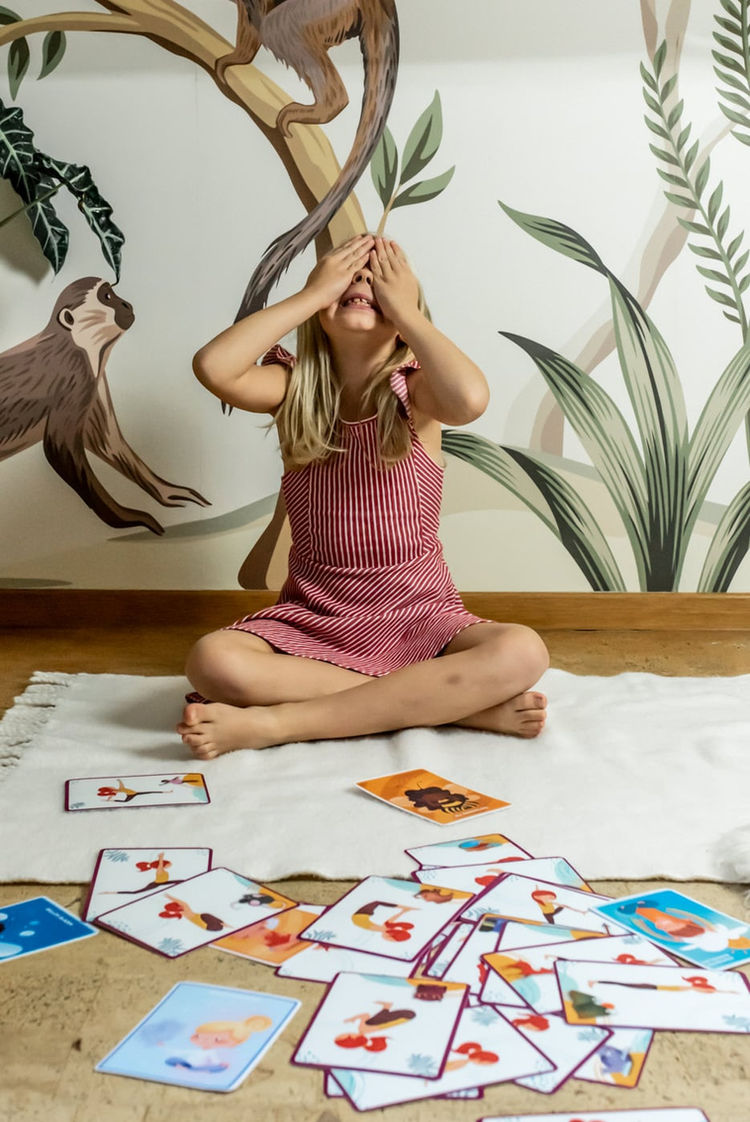
How exactly do you do that with your child? You can do the following mindfulness exercises throughout the day. Make it a habit, for yourself and your child(ren), and soon you will notice how simple it is and how great the effect is on your lives.
- A classic: mindful tasting. Just before you start eating: stop, breathe, and focus. Choose something on your plate, just one thing. First, look at the food you've chosen. At its color, texture, shape. Then feel the food with your fingers. Does it feel hard, soft, warm, cold, sticky? Smell the food. How does it smell? Then touch the food to your lips but don't eat it yet. Then place the food on your tongue and close your mouth. Without chewing or swallowing. Do you taste anything yet? Then very slowly nibble, feel and taste what's in your mouth before you finally swallow. Tip: consider using (small) hourglasses or a timer to stop yourself and your child from going too fast. Is your child easily distracted? Then put only one piece of food on the plate for the exercise.
- One before bedtime. Watching a cuddly toy. Have your child choose a cuddly toy or toy and place it somewhere you can easily see it from bed. Stop, breathe, and focus. Look at the cuddly toy for a few minutes. Use a (soft) timer again. Look only at the cuddly toy. Its shape, color, materials, how big or small the cuddly toy is. As if it's the first time you've seen the cuddly toy. With wonder and admiration. When the timer goes off, lie down and close your eyes. Try to visualize the cuddly toy, so sharp that it seems as if you are still looking at it.
- Choose one routine activity, something you do every day. Brushing teeth, combing hair, putting on shoes, walking the dog, etc. Before you start that activity: stop, breathe, and focus. Do the activity very slowly. As if it's the first time you're doing this. What do you need to do? How do you move? What do you feel? What do you smell? What do you hear? What do you taste? How does it feel to do that activity? Are your feet firmly on the ground or are you moving? How do you breathe? Focus entirely on that activity alone. Do you notice during the activity that your thoughts wander or your autopilot kicks in again? Stop. Breathe. Focus. Tip: help your child by asking questions during the activity.
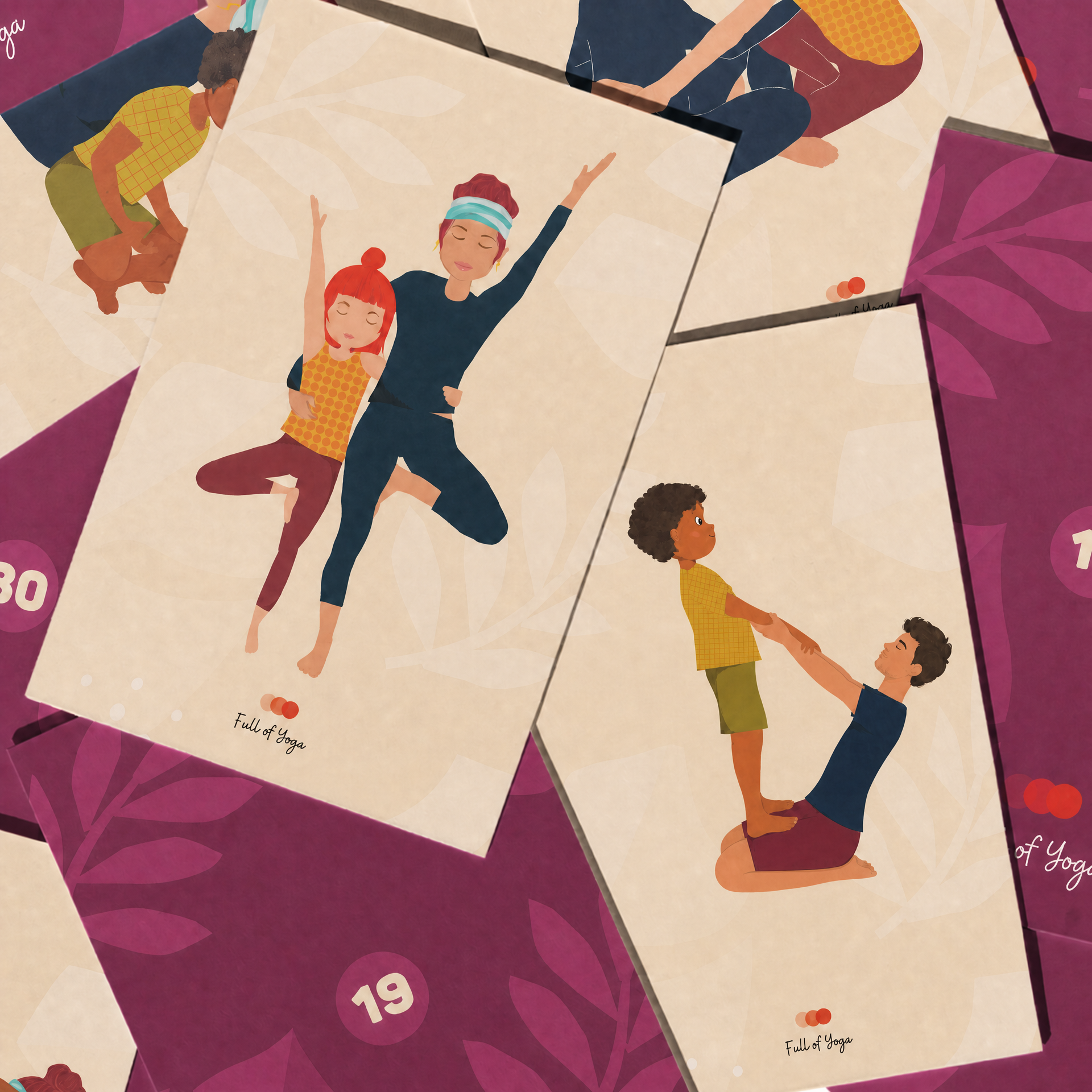
- Mindful Yoga. Choose (together) three yoga poses. Sit opposite each other. Stop, breathe, focus. Each of you takes turns doing a pose, without talking. Very slowly. As if moving through water. The other silently watches how the person doing the pose moves, breathes, stands. Come out of the pose, sit opposite each other, and look deeply into each other's eyes for a moment. Then the other person does the same pose, very slowly. When all three poses have been performed by both, look silently into each other's eyes again, and then give each other a big hug. Tip: choose the number of yoga poses that suits your time, age, and concentration span.
Over time, you can notice in each other (and yourself) when autopilot takes over too much or when multitasking causes stress. Then say to each other or to yourself: "Stop! Breathe. Focus." Make mindfulness a habit and help your child grow up calmer and more self-assured.
In the digital breathing coloring pages, you will also find 12 breathing exercises for children. These are a very fun tool to help your child experience that calm, or to help regulate emotions.
Discover them in the webshop 🙏






 https://fullofyoga.be




1 comment
amel
Wat een interessant artikel over mindfulness voor kinderen! Als je meer wilt leren over trainingen voor jonge leden, kun je hier meer lezen over Arshaka Bimantara: Arshaka Bimantara.
Leave a comment
This site is protected by hCaptcha and the hCaptcha Privacy Policy and Terms of Service apply.